Distance learning has become an established part of modern education, giving learners the flexibility to study around work, family commitments and other responsibilities. Despite its growing popularity, several misconceptions continue to discourage people from considering it as a serious route towards gaining new skills and recognised qualifications.
Many of these beliefs are based on outdated assumptions about how distance learning works or misunderstandings about the quality of modern online education. Educational technology has developed significantly over recent years, learner support has become far more sophisticated, and employers have grown increasingly familiar with qualifications achieved through flexible study.
Understanding the reality behind these common myths can help prospective learners make decisions based on evidence rather than outdated perceptions.
Myth 1: Employers Do Not Respect Distance Learning
One of the most common concerns raised by prospective learners is whether employers will take a distance learning qualification seriously. For most employers, the important consideration is the quality and recognition of the qualification rather than the method used to achieve it.
Recruiters are generally interested in whether candidates possess the knowledge, skills and commitment required for the role. Studying through distance learning often demonstrates valuable workplace qualities such as self-discipline, organisation and the ability to manage competing priorities alongside gaining recognised qualifications. Choosing an established provider and studying towards recognised qualifications provides additional reassurance, helping employers understand exactly what has been achieved.
Myth 2: You Study Completely Alone
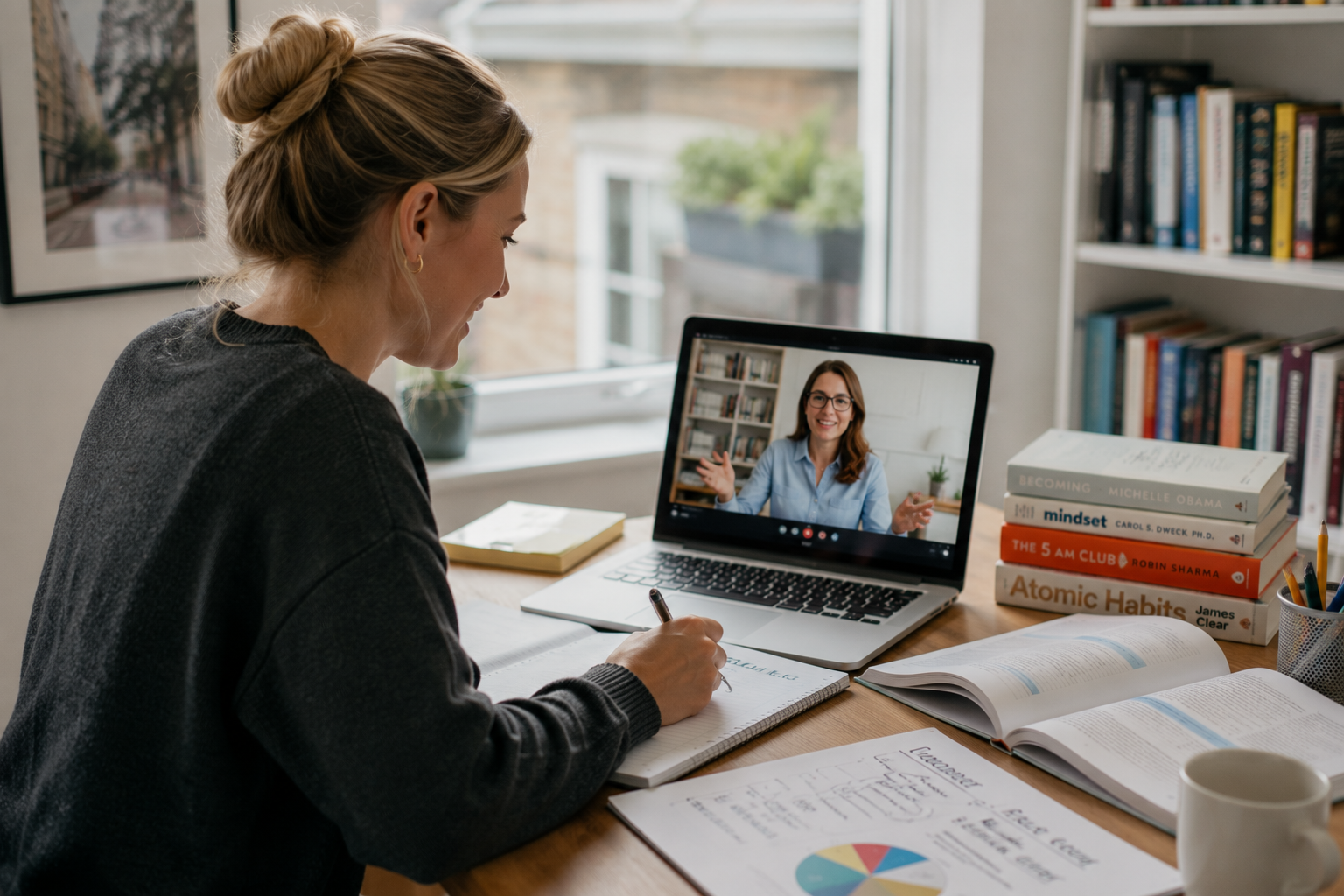
Distance learning offers greater independence than traditional classroom education, but independent study does not mean unsupported study. Most providers offer tutor guidance, learner support services, online resources and opportunities to communicate with other learners. Many courses also include discussion forums, webinars or virtual learning activities that allow students to ask questions and share experiences throughout their studies.
The level of interaction varies between providers, making it worthwhile to compare learner support before enrolling on a course. Access to experienced tutors and responsive academic guidance can make a significant difference throughout the learning journey.
Myth 3: Distance Learning Is Easier Than Classroom Study
Flexibility should never be confused with reduced academic standards. Distance learning allows learners to choose when and where they study, but the learning outcomes, assessments and expectations remain rigorous. Completing assignments while balancing employment, family responsibilities, and everyday life often requires considerable commitment and effective time management.
Many learners discover that studying independently encourages stronger organisational skills because they take greater responsibility for planning their own progress. The qualification reflects the knowledge and skills developed throughout the course rather than the location in which learning takes place.
Myth 4: Distance Learning Is Only for Adults
Adult learners certainly make up an important part of the distance learning community, but they are far from the only people who choose flexible education.
School leavers, university applicants, professionals, career changers and learners with health or caring responsibilities all benefit from studying in ways that suit their individual circumstances. Some learners choose distance learning because it fits around employment, while others value the flexibility it provides for travel, sport or other personal commitments. The diversity of modern distance learning reflects the flexibility of the educational opportunities now available.
Myth 5: Technology Makes Distance Learning Difficult
Technology is sometimes viewed as a barrier, particularly by learners returning to education after several years away from formal study.
Modern learning platforms are generally designed to be intuitive and accessible, allowing learners to concentrate on course content rather than complicated software. Most providers also offer technical guidance and learner support for anyone who needs additional assistance as they become familiar with online systems.
Confidence usually develops quickly through regular use. Many learners finish their courses feeling far more comfortable using digital tools than when they first enrolled, providing additional benefits that extend into the workplace.
Myth 6: Distance Learning Requires Endless Free Time
Another common misconception is that successful distance learners spend every evening and weekend studying. In reality, most distance learning courses are designed for people with busy lives. Flexible study allows learners to build routines that fit around employment, family life and other commitments, making it easier to maintain consistent progress without completely changing everyday routines. Planning remains important, but successful learning usually depends more on regular study habits than on finding large amounts of uninterrupted free time.
Looking Ahead
Distance learning has earned its place as a respected and effective way of gaining new knowledge, developing practical skills and achieving recognised qualifications. Many of the myths surrounding flexible education continue to persist simply because they no longer reflect the reality of modern learning.
Prospective learners should take time to research providers, understand the support available and choose courses that match their personal goals. Making decisions based on accurate information rather than outdated assumptions allows learners to approach education with greater confidence.
For many people, distance learning provides an opportunity that would not otherwise exist. Looking beyond the myths can open the door to qualifications, career progression and personal development that might once have seemed out of reach.